Understanding Credit Scores: What They Are and How to Improve Yours
Demystify your credit score by learning what factors affect it, how to check it for free, and proven strategies to boost your number over time.
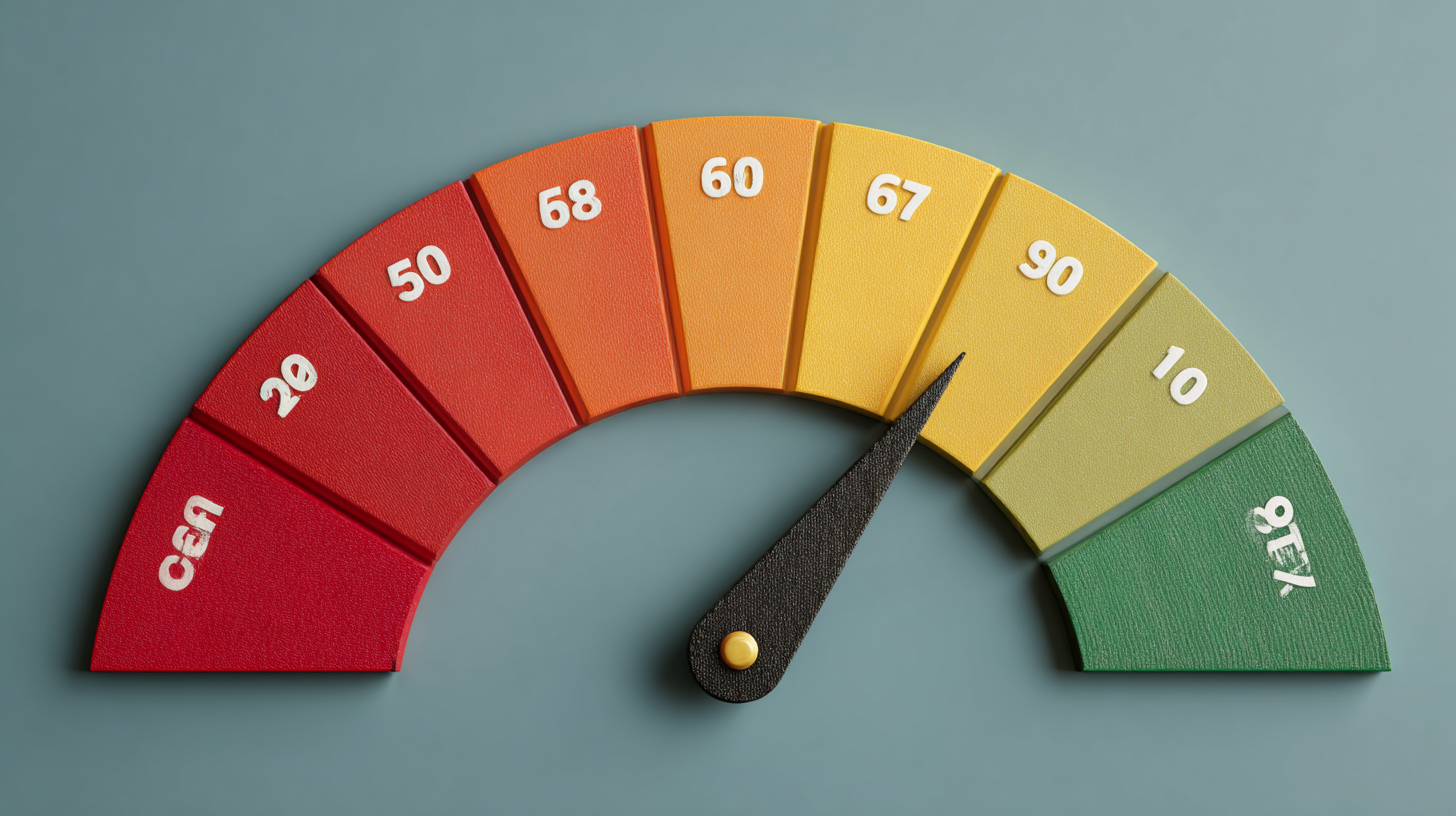
Your credit score is a three-digit number that can significantly impact your financial life. From mortgage rates to rental applications, this single metric influences major decisions lenders and landlords make about you. Understanding how credit scores work is the first step toward taking control of your financial future.
What Is a Credit Score?
A credit score is a numerical representation of your creditworthiness, typically ranging from 300 to 850. The higher your score, the more favorably lenders view you as a potential borrower.
The Major Scoring Models
FICO Score: Used by 90% of top lenders, FICO scores are the industry standard. There are multiple versions, with FICO Score 8 being the most commonly used.
VantageScore: Created by the three major credit bureaus, VantageScore uses a similar range and is increasingly popular with credit card companies and online lenders.
While both models use similar factors, they may weigh them differently, which is why your scores can vary between models.
The Five Factors That Determine Your Score
Understanding what affects your credit score helps you focus your improvement efforts where they matter most.
1. Payment History (35%)
This is the most influential factor in your credit score. Lenders want to know if you pay your bills on time.
What counts:
- Credit card payments
- Loan payments (mortgage, auto, student, personal)
- Collection accounts
- Bankruptcies and foreclosures
Key insight: A single 30-day late payment can drop your score by 50-100 points, and the impact can last up to seven years.
2. Credit Utilization (30%)
This measures how much of your available credit you're using. It's calculated by dividing your credit card balances by your credit limits.
The formula: (Total Credit Card Balances / Total Credit Limits) x 100
Best practice: Keep your utilization below 30%, but below 10% is ideal for the highest scores.
3. Length of Credit History (15%)
Longer credit histories generally result in higher scores because they provide more data about your borrowing behavior.
What's considered:
- Age of your oldest account
- Age of your newest account
- Average age of all accounts
Tip: Keep old accounts open, even if you don't use them regularly, to maintain your average account age.
4. Credit Mix (10%)
Having different types of credit accounts shows lenders you can manage various forms of debt responsibly.
Types of credit:
- Revolving credit (credit cards, lines of credit)
- Installment loans (mortgages, auto loans, personal loans)
- Open accounts (charge cards paid in full monthly)
5. New Credit Inquiries (10%)
When you apply for credit, lenders perform a "hard inquiry" on your credit report, which can temporarily lower your score.
Important distinction:
- Hard inquiries: Occur when you apply for credit; affect your score
- Soft inquiries: Occur when you check your own credit or when companies pre-approve you; don't affect your score
How to Check Your Credit Score for Free
You have several options for monitoring your credit without paying a dime.
Free Credit Reports
By law, you're entitled to one free credit report from each bureau (Equifax, Experian, TransUnion) every 12 months through AnnualCreditReport.com.
Free Credit Scores
Many sources now offer free credit scores:
- Your bank or credit card issuer
- Free services like Credit Karma or Credit Sesame
- Discover (even if you're not a customer)
What to Look For
When reviewing your credit report:
- Verify all accounts are yours
- Check for incorrect late payments
- Look for unfamiliar hard inquiries
- Confirm balances are accurate
Proven Strategies to Improve Your Credit Score
Improving your credit score is a marathon, not a sprint. Here are actionable steps that work.
Quick Wins (1-30 Days)
Pay down credit card balances: Reducing your utilization can boost your score within a billing cycle.
Dispute errors: If you find mistakes on your credit report, file disputes with the credit bureaus. Corrections can improve your score quickly.
Become an authorized user: Ask a family member with excellent credit to add you to their oldest credit card account.
Medium-Term Strategies (1-6 Months)
Set up automatic payments: Never miss a payment by automating at least the minimum due.
Request credit limit increases: Higher limits lower your utilization ratio without requiring you to pay down debt.
Keep old accounts active: Make small purchases on older cards to prevent closure due to inactivity.
Long-Term Habits (6+ Months)
Diversify your credit: If you only have credit cards, consider a credit-builder loan or secured loan.
Limit new applications: Only apply for credit when necessary to minimize hard inquiries.
Practice patience: Negative items naturally fall off your report after 7-10 years.
Credit Score Ranges Explained
Understanding where you stand helps set realistic goals.
| Score Range | Rating | What It Means | |-------------|--------|---------------| | 800-850 | Exceptional | Best rates and terms available | | 740-799 | Very Good | Qualify for most credit products | | 670-739 | Good | Considered acceptable by most lenders | | 580-669 | Fair | May face higher rates or require deposits | | 300-579 | Poor | Difficulty getting approved; very high rates |
Common Credit Score Myths
Myth: Checking your own credit hurts your score. Reality: Self-checks are soft inquiries and have no impact.
Myth: Closing old cards improves your score. Reality: This can hurt you by reducing available credit and shortening credit history.
Myth: You need to carry a balance to build credit. Reality: Paying in full every month is better for your score and your wallet.
Myth: Income affects your credit score. Reality: Income isn't a factor, though it may affect credit limit decisions.
When Good Credit Matters Most
Your credit score becomes especially important when:
- Buying a home: A 100-point difference in score can mean tens of thousands in extra interest
- Renting an apartment: Many landlords have minimum score requirements
- Getting car insurance: Some states allow insurers to use credit-based insurance scores
- Starting utilities: Poor credit may require security deposits
- Job applications: Some employers check credit for certain positions
The Bottom Line
Your credit score isn't set in stone. With consistent effort and smart financial habits, you can improve your score over time. Start by checking your credit reports for errors, focus on paying bills on time, and keep your credit utilization low. These fundamentals form the foundation of a strong credit profile that will serve you well for years to come.
Tags
Written by
Michael Torres
A contributing writer at InsightWireReads. Our team is dedicated to providing well-researched, accurate, and helpful content to our readers.
Learn more about our teamRelated Articles

Debt Payoff Strategies: Snowball vs. Avalanche Methods Compared
Discover which debt repayment strategy works best for your situation by understanding the psychology and math behind the snowball and avalanche methods.
Debt-to-Income Ratio: What It Is and Why Lenders Care About It
Learn how to calculate your debt-to-income ratio, understand what lenders consider acceptable, and discover strategies to improve this critical metric.

Credit Cards 101: How to Use Them Wisely and Avoid Common Pitfalls
Master the fundamentals of credit card usage, from understanding APR and fees to maximizing rewards while avoiding the debt trap.