Debt-to-Income Ratio: What It Is and Why Lenders Care About It
Learn how to calculate your debt-to-income ratio, understand what lenders consider acceptable, and discover strategies to improve this critical metric.
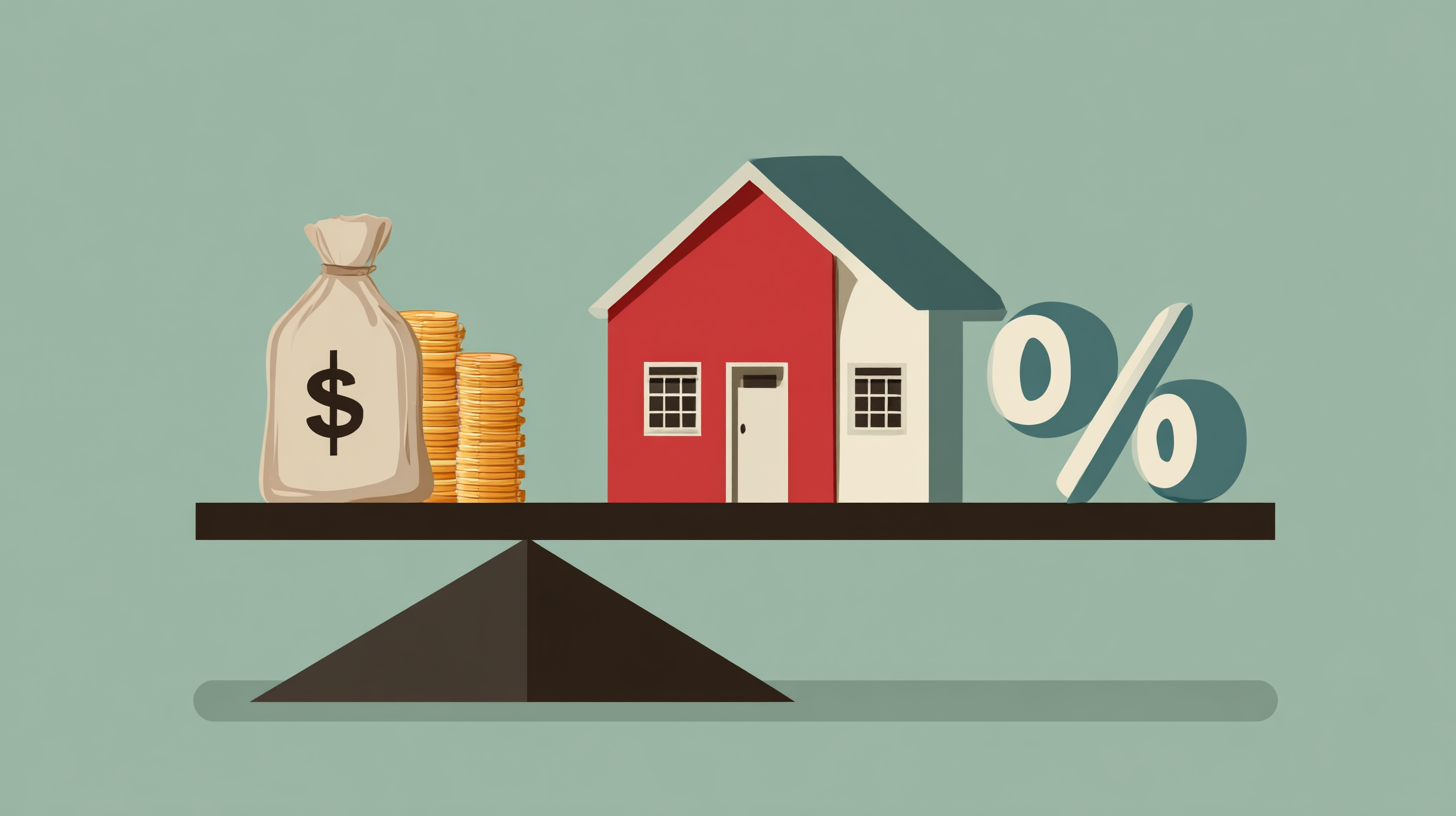
While your credit score gets most of the attention, there's another number that lenders scrutinize just as closely: your debt-to-income ratio (DTI). This simple calculation reveals how much of your monthly income goes toward debt payments, helping lenders assess whether you can afford to take on additional borrowing.
What Is Debt-to-Income Ratio?
Your debt-to-income ratio compares your monthly debt payments to your gross monthly income. It's expressed as a percentage and gives lenders a quick snapshot of your financial obligations relative to your earning power.
The Basic Formula
DTI = (Total Monthly Debt Payments / Gross Monthly Income) x 100
For example, if your monthly debt payments total $2,000 and your gross monthly income is $6,000:
DTI = ($2,000 / $6,000) x 100 = 33%
Two Types of DTI Ratios
Lenders often look at two different DTI calculations.
Front-End Ratio (Housing Ratio)
This measures only your housing costs relative to income.
Includes:
- Mortgage principal and interest
- Property taxes
- Homeowners insurance
- HOA fees (if applicable)
- Private mortgage insurance (if applicable)
Typical requirement: 28% or less
Back-End Ratio (Total DTI)
This is the comprehensive measure that includes all debt obligations.
Includes everything in front-end, plus:
- Credit card minimum payments
- Auto loans
- Student loans
- Personal loans
- Child support or alimony
- Any other debt with regular payments
Typical requirement: 36-43% or less
How to Calculate Your DTI
Follow these steps to determine your current debt-to-income ratio.
Step 1: Add Up Monthly Debt Payments
Include all recurring debt obligations:
| Debt Type | Monthly Payment | |-----------|-----------------| | Mortgage/Rent | $1,500 | | Car Payment | $400 | | Student Loans | $300 | | Credit Card Minimums | $150 | | Personal Loan | $200 | | Total | $2,550 |
Step 2: Determine Gross Monthly Income
Use your pre-tax income from all sources:
| Income Source | Monthly Amount | |---------------|----------------| | Salary | $5,500 | | Side Gig | $800 | | Investment Income | $200 | | Total | $6,500 |
Step 3: Calculate the Ratio
DTI = ($2,550 / $6,500) x 100 = 39.2%
What Counts as Debt?
Understanding what lenders include in DTI calculations helps you prepare.
Included in DTI
- Mortgage or rent payments
- Car loans and leases
- Student loan payments
- Credit card minimum payments
- Personal loans
- Medical debt in repayment
- Alimony and child support
- Co-signed loan obligations
Not Included in DTI
- Utilities
- Cell phone bills
- Insurance premiums (except mortgage-related)
- Groceries and food
- Entertainment
- Gym memberships
- Subscription services
DTI Thresholds by Loan Type
Different loans have different DTI requirements.
Conventional Mortgages
- Preferred: 36% or below
- Maximum: Usually 45%, sometimes up to 50% with strong compensating factors
FHA Loans
- Front-end: 31% maximum
- Back-end: 43% maximum (up to 50% in some cases)
VA Loans
- No strict maximum: But 41% is the guideline
- More flexible than conventional loans
Personal Loans
- Ideal: Below 35%
- Maximum: Varies by lender, typically 40-50%
Auto Loans
- Preferred: Below 40%
- Some subprime lenders accept higher ratios
Why DTI Matters Beyond Loan Approval
Your debt-to-income ratio affects more than just whether you get approved.
Interest Rates
Lower DTI often qualifies you for better interest rates. A borrower with 25% DTI may receive a lower rate than one with 40% DTI, even with similar credit scores.
Loan Amounts
High DTI limits how much you can borrow. Lenders calculate the maximum payment you can handle based on your DTI ceiling.
Financial Flexibility
A high DTI leaves little room for:
- Emergency expenses
- Job loss or income reduction
- New financial opportunities
- Savings and investment
Strategies to Lower Your DTI
If your ratio is too high, these strategies can help.
Increase Your Income
Short-term options:
- Ask for a raise
- Take on overtime
- Start a side hustle
- Freelance using existing skills
Longer-term options:
- Pursue promotions
- Switch to higher-paying jobs
- Develop new marketable skills
- Generate passive income streams
Decrease Your Debt
Quick wins:
- Pay off smallest debts entirely
- Pay more than minimums on credit cards
- Refinance to lower payments (carefully consider total cost)
Strategic moves:
- Consolidate high-interest debt
- Negotiate lower interest rates
- Avoid taking on new debt
Restructure Existing Debt
Extend loan terms: Longer terms mean lower monthly payments (but more total interest)
Refinance mortgages: Lower rates reduce your largest payment
Income-driven student loan repayment: Federal programs cap payments at a percentage of income
Common DTI Mistakes to Avoid
Not Counting All Debts
Lenders will find debts you "forgot" about. Be thorough when calculating your DTI.
Using Net Instead of Gross Income
DTI uses pre-tax income. Using take-home pay gives you an inaccurately high ratio.
Ignoring Co-Signed Loans
If you co-signed for someone, that payment counts against your DTI even if you don't make the payments.
Taking on New Debt Before Applying
Opening new credit accounts or making large purchases before a mortgage application can derail your approval.
DTI vs. Credit Score: How They Differ
Both metrics matter, but they measure different things.
| Factor | Credit Score | DTI | |--------|--------------|-----| | Measures | Creditworthiness | Affordability | | Range | 300-850 | 0-100% | | Looks at | Payment history, utilization | Current debt load | | Changes | Gradually over time | Immediately with income/debt changes |
Ideal scenario: High credit score + low DTI = best loan terms
Planning Major Purchases with DTI in Mind
Before taking on significant new debt, calculate how it affects your DTI.
Example: Buying a Car
Current situation:
- Income: $6,000/month
- Current debt payments: $1,200/month
- Current DTI: 20%
With $450/month car payment:
- New debt payments: $1,650/month
- New DTI: 27.5%
This increase from 20% to 27.5% may still be acceptable, but it reduces your flexibility for future borrowing.
The Bottom Line
Your debt-to-income ratio is a powerful indicator of financial health that lenders use to determine both your eligibility and your terms. While you can't change this number overnight, understanding how it works allows you to make strategic decisions about taking on debt, paying it down, and timing major purchases. Aim to keep your total DTI below 36% for the most financial flexibility and the best borrowing opportunities.
Tags
Written by
Michael Torres
A contributing writer at InsightWireReads. Our team is dedicated to providing well-researched, accurate, and helpful content to our readers.
Learn more about our teamRelated Articles

Debt Payoff Strategies: Snowball vs. Avalanche Methods Compared
Discover which debt repayment strategy works best for your situation by understanding the psychology and math behind the snowball and avalanche methods.
Understanding Credit Scores: What They Are and How to Improve Yours
Demystify your credit score by learning what factors affect it, how to check it for free, and proven strategies to boost your number over time.

Credit Cards 101: How to Use Them Wisely and Avoid Common Pitfalls
Master the fundamentals of credit card usage, from understanding APR and fees to maximizing rewards while avoiding the debt trap.